Belize it or not: The shark petting zoo
Hello from Belize! What a beautiful little country this is.
I have wanted to come here forever, being a diver and all. As you probably know, the Belize Barrier Reef (stretching from Yucatan all the way to the coast of Guatemala) is the second largest reef in the world, after the Great Barrier Reef.
We took our first dive trip today, right off the Ambergris Caye island. It was just a shallow dive with a bunch of snorkelers who desperately wanted to "see some sharks." This part of the reef is know for its abundance of nurse sharks, pretty harmless types of sharks who eat by suction (hence the name). Still, they are sharks, aka beautiful creatures.
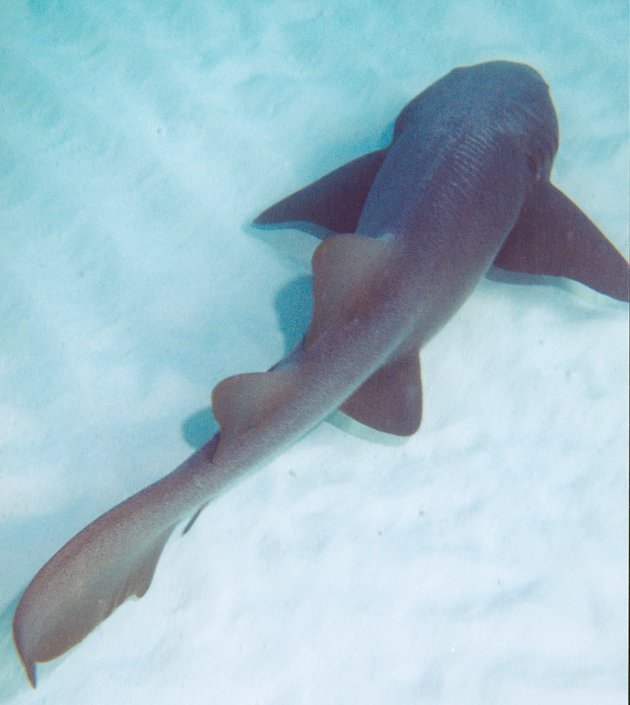
The dive instructor threw in some bait (an enormous fish head) and a few minutes later, a bunch of sharks (I saw five, the largest at least two meters long) and sting rays (the largest was over a meter across) came by for the feast. It was an incredible sight.
I don't know how I feel about the whole "petting the shark and sting ray" aspect of the whole thing. The instructors caught a couple of the sharks by the fin and let everyone in the group touch them. Same with the sting rays. I felt a little bad for them. I can't be good for them to have a hundred people a day touch them, right?
Filed under: Scuba Diving, South America, Belize, Ecotourism


Reader Comments (Page 1 of 1)
Jul 11th 2008 @ 3:00PM
Willy said...
The instructors should not be grabbing and holding the wildlife for visitors. If the fish swims up to you, that's a different story. But "manhandling" the animals is not a very friendly way to interact with them.
Glad you had a positive experience though.
Reply
Jul 12th 2008 @ 9:17PM
Jeff - ScienceSays.net said...
This sounds cool, but I hope they're careful with their bait - almost all shark accidents happen when people are doing shark feeding shows like this.
Reply
Jul 17th 2008 @ 4:45PM
Jennifer O'Connor said...
While similiar to invasive swim with the dolphins programs, “swimming” with sharks can have a negative impact on already depleted shark populations. Most fish and marine mammals rely on sound for communication, navigation, or detection of predators and prey. Loud noise like boat motors travels very efficiently underwater and can affect large areas. The effects of noise on sharks can range from changes in behavior to physiological damage (hearing loss). Sharks are also negatively impacted by boat traffic and the debris and pollution left behind—all leading to serious ramifications for shark populations.
CBS News did an in-depth report in June 2006 about swim with sharks programs. It detailed the problem of sharks growing increasingly accustomed to the presence of humans and learning to associate people and chum (food). As a result, local human populations may be put at risk while simply trying to surf or swim. As one South African local said, “Putting chum or bait in the water is domesticating a wild animal. It’s common knowledge: Don’t feed wild animals. Why is this the only wild animal you are allowed to feed in Africa, is a great white shark? It’s bizarre.” Indeed, shark attacks used to be virtually unheard of in the region. But there have been six in the past two years, and three people have died—two of them swallowed whole. As is often the case, many people blame the sharks for these incidents, and countless sharks have been slaughtered in “retaliation.”
People who care about animals and nature should shun any swim with program or touch tank display.
Reply